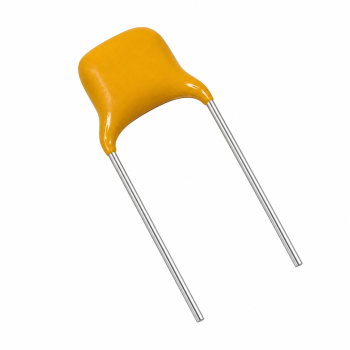


- Stock: In Stock
- Model: T572.CAP220U200
220uF 200V Electrolytic Capacitor
The 220uF 200V Electrolytic Capacitor is a specialized type of capacitor that employs an electrolyte to achieve a significantly larger capacitance compared to other capacitor types. The electrolyte, which can be a liquid or gel, contains a high concentration of ions. This product is ideal for electronics engineers and hobbyists working with Arduino, Raspberry Pi, and other microcontroller projects.
🔧 Internal Structure
The internal structure of the 220uF 200V Electrolytic Capacitor is meticulously designed to ensure optimal performance. Here are the key components:
- Anode (Positive Electrode): Constructed from aluminum and coated with an insulating layer of aluminum oxide (Al₂O₃), which serves as the dielectric.
- Dielectric: A thin layer of aluminum oxide with high dielectric strength.
- Cathode (Negative Electrode): A conductive liquid or gel (the electrolyte) that makes contact with an external conductive layer.
- Separator: An absorbent paper layer saturated with electrolyte, positioned between the anode and cathode.
- Case: The entire structure is housed in a metal cylinder with two leads, typically featuring a safety vent on top to prevent explosion.
⚙️ Key Characteristics
The 220uF 200V Electrolytic Capacitor boasts several key characteristics that make it a reliable choice for a variety of electronics projects:
- Capacitance Range: Typically ranges from 0.1 µF to 100,000 µF, offering high capacity.
- Voltage Rating: Ranges from 6.3V to 450V.
- Polarity: As electrolytic capacitors are polarized, reverse connection may lead to leakage, heat, or explosion.
- Frequency Response: Performs best at low to medium frequencies, making it less suitable for high-frequency circuits.
- Lifespan: Limited due to electrolyte evaporation, typically lasting 2,000–10,000 hours at 85–105°C.
📌 Common Applications
The 220uF 200V Electrolytic Capacitor is commonly used in a variety of applications, including:
- DC voltage filtering in power supplies
- Coupling and decoupling in audio circuits
- Delay circuits in timers
- Energy storage and voltage smoothing